
Paulig aims to be among the sustainable frontrunners in the food and beverage industry, and we have science-based climate targets approved by the Science Based Targets initiative.
Our climate transition plan
Our climate ambition and the transition plan towards net-zero by 2045 encompass both near- and mid-term actions. This involves iteratively refining our roadmaps for coffee, wheat, corn, logistics, and packaging, alongside investing in innovative technologies and reformulating our products and portfolio.
At Paulig, we first set our SBTi (Science Based Targets initiative) validated 2030 climate targets in 2020. These targets were revalidated and expanded in 2025 to include a separate FLAG (Forest, Land and Agriculture guidance) target and a commitment to reach net-zero by 2045.
We aim to reduce 43% of greenhouse gas (GHG) emissions across all scopes (1-3) in the near-term, by 2030, from the 2018 base year. Looking further ahead, our net-zero ambition is a 79% overall decrease in emissions compared to our baseline 2018.
In Paulig’s own operations (Scopes 1 and 2), we intend to reduce emissions by 65% by 2030. In our value chain (Scope 3), we strive to decrease our FLAG-related emissions by 37% and the non-FLAG related emissions by 51%, by 2030. These efforts together will represent a 43% reduction across all scopes by 2030, since the baseline 2018. These targets support Paulig’s climate work in line with the 1.5°C pathway.
Transitioning further ahead to net-zero, Paulig aims to reduce emissions from our own operations and the non-FLAG part of our value chain by 90% by 2045, alongside a 72% reduction in FLAG emissions. This will result in a 79% overall decrease in total emissions compared to 2018 levels.
Most of Paulig’s GHG emissions originate from the value chain, with the highest impact in the agricultural production of key raw materials – primarily coffee, wheat, corn, and vegetable oils. Therefore, the most significant reduction opportunities lie in lowering the carbon footprint at the farm level for these ingredients. Our approach focuses on close collaboration with suppliers of our highest volume inputs, including setting clear expectations for their emission reduction targets and roadmaps. Through our Climate Fund, we help accelerate supplier actions that lead to measurable emission reductions.
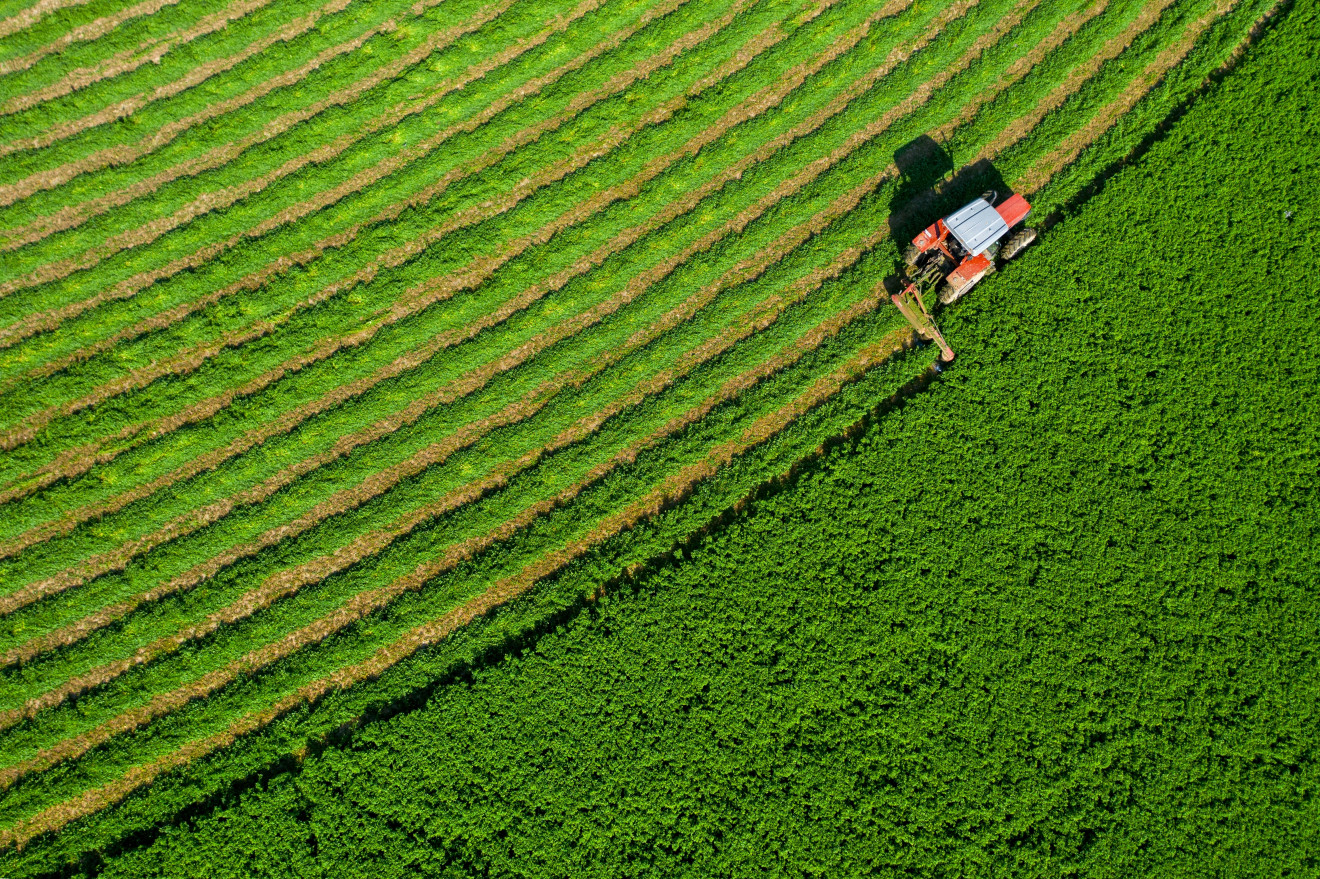
Ambitious commitment to reduce own operations GHG emissions by 65% by 2030
Since 2018, we have already reduced GHG emissions from our own operations (Scopes 1 and 2) by 38%. This has been driven by actions such as the shift to renewable electricity, improved energy efficiency, the use of renewable biomethane certificates to cover part of the natural gas consumption, and investments in heat recovery.
Since our previous SBTi validation in 2020, Paulig’s business and operations have evolved significantly. Paulig Group has grown through acquisitions such as Liven, Panesar Foods, and the Conimex brand. Despite business growth and increasing production volumes, emissions from our own operations and value chain have decreased.
In the future, Paulig is committed to further reducing operational emissions by expanding the use of renewable energy sources and exploring initiatives to enhance energy efficiency and electrify baking and frying processes.
Paulig aims to reduce emissions from the value chain by 42%
As a food and beverage company, the vast majority of Paulig’s carbon footprint is derived from our value chain, particularly linked to the agricultural production of raw materials. Therefore, Paulig’s updated climate targets have been set in line with the FLAG methodology, that considers emissions from land use change and land management (e.g., the use of fuel and fertilisers at the farm). Paulig is committed to reducing its FLAG-related GHG emissions in its value chain by 37% and non-FLAG-related GHG emissions by 51% by 2030 (Scope 3), from the 2018 baseline.
By the end of 2025, we have cut our value chain emissions (Scope 3) by 4%. Value chain reductions are driven primarily by the expansion of proven regenerative agricultural practices in our three largest raw materials: wheat, corn, and coffee. We are also strengthening collaboration with our logistics partners, focusing on increasing the use of renewable energy sources.
To further reduce our value chain emissions, our biggest reduction potential lies in reducing the emissions from the agricultural production of our key raw materials, primarily coffee, wheat, corn, and vegetable oils. Therefore, our approach focuses on close collaboration with suppliers of our highest volume inputs, including setting clear expectations for their emission reduction targets and roadmaps. Our goal is to promote regenerative farming practices and strengthen climate resilience across our value chain.

Understanding our nature impacts
We have assessed our nature impacts across the value chain and learnt that our greatest potential for enhancing biodiversity and reducing our negative impacts on nature is in our value chains of coffee, wheat, corn and vegetable oils. It is also in these value chains where we have our most significant GHG emissions. Hence, we are putting efforts into expanding regenerative agriculture programmes designed to support reductions in GHG emissions and other negative nature-related impacts. For wheat, currently more than 30% of our sourced volumes come from projects that follow Paulig’s regenerative agriculture criteria.
We follow the SAI (Sustainable Agriculture Initiative) Regenerating Together framework in our definition of regenerative agriculture: An outcome based farming approach that delivers continuous improvement in climate impact, soil health, water stewardship, and biodiversity, while supporting the economic viability and resilience of farmers. To be counted towards our regenerative agriculture volumes, farms supplying these volumes must demonstrate improvement in at least two of the four environmental outcomes.
Paulig Climate Fund accelerating our climate actions
In 2023, we launched a Paulig climate fund to accelerate GHG emission reductions in our value chain. With the fund, we will strengthen the impact and agility of our climate actions, enhance our innovation capabilities, and accelerate our progress towards our ambitious climate targets. The fund is based on an internal carbon price mechanism used as part of our annual budgeting. Originally valued at 2.7 million euros, the fund has increased annually.
We focus on actions that have the biggest value chain climate impact at the company level. The fund is allocated to projects targeting emissions reductions in mostly wheat, corn and coffee value chains and logistics. The focus is to help reduce emissions in raw materials farming, advance regenerative farming methods, and contribute to emission reductions.
Climate projects are chosen annually, and they are mostly implemented together with our partners and suppliers. Our selection criteria are based on our company strategy, Sustainability Approach, and science-based climate targets. We emphasise each project’s reduced climate impact potential, innovativeness, cost-efficiency, and scalability potential.
The climate impacts of the projects are measured using relevant carbon accounting standards and progress is followed up regularly. Read more here.
Incorporating circular thinking in our operations
Along with our climate and nature ambitions, and to ensure a future within planetary boundaries, we must incorporate circular thinking into our operations. At Paulig, we embrace circularity in various stages throughout our value chain. In our own operations, our focus is on developing the recyclability of our packaging. In addition to recyclability, other important considerations of packaging development include, for example, prevention of food and coffee waste. We are committed to working towards the global challenge of halving food loss and waste in our value chain by 2030.